From Concept to Completion: How Deck Builders Bring Your Vision to Life
Deck builders play an essential role in reimagining exterior spaces. They start by gaining insight into client requirements and tastes, leading them through material choices and design possibilities. This cooperative strategy confirms that the end result matches the see the facts homeowner's goals. As the build moves forward, contractors handle regulatory considerations and preserve clear dialogue. However, many clients may be curious about the distinct phases of this process and how they shape the finished product.
Essential Questions to Define Your Ideal Deck
When imagining the perfect deck, what key elements should be taken into account? To begin, homeowners should consider their main reason for the deck. Is it for entertaining guests, spending quality time with family, or quietly unwinding alone? Knowing the planned purpose plays a major role in shaping design decisions.
Subsequently, the ideal layout and size needs to be decided upon. This requires assessing the space at hand and how the deck will complement the existing landscaping and structures.
Additionally, one must consider the patio's orientation and exposure to sunlight. This affects the level of comfort during the day and affects the choice of materials used.
Additionally ease of access is vital; easy access to the home and surrounding areas will enhance usability. By addressing these vital questions, homeowners can establish a clear vision that sets the foundation for their ideal deck, making sure it aligns with their daily living requirements while blending seamlessly with the surrounding landscape.
Choosing Deck Materials for Your Perfect Outdoor Living Space
Picking the ideal materials for a deck can significantly impact both its visual appeal and lasting quality. Deck owners frequently evaluate various options, including wood, composite, and PVC materials. Natural wood, such as cedar or redwood, provides a classic look and can be finished or painted to complement any design. Nonetheless, it demands regular maintenance to prevent rot and splintering.
Composite decking materials, a blend of wood fibers and plastic, provide a low-maintenance alternative that resists fading and staining. Their broad selection of colors and textures makes them an attractive choice for numerous applications.
PVC decking, constructed completely from plastic materials, offers exceptional durability and resistance to moisture, guaranteeing a long lifespan across different climates.
Ultimately, the choice of materials should complement the homeowner's goals, budget, and maintenance preferences, allowing for a personalized exterior space that represents their living preferences while remaining durable over time.
Developing Your Deck Design: Engaging With Industry Professionals
Transforming a vision into a stunning deck design often requires working closely with skilled professionals. Skilled deck builders and design experts partner with homeowners to comprehend their tastes, lifestyle, and visual objectives. This collaboration begins with an initial consultation, where ideas are exchanged and fundamental requirements are established.
Skilled specialists leverage their experience to suggest features, materials, and layouts that align with the client's vision while maintaining durability and functionality. They often offer three-dimensional renderings, allowing homeowners to see the end result and make confident choices.
Throughout the planning phase, open communication is essential. Clients are welcomed to voice their opinions and considerations, while specialists deliver advice and expertise. This working relationship not only boosts innovative thinking but also simplifies the planning journey, guaranteeing that the completed deck captures the homeowner's personal vision and requirements. Ultimately, the collaboration fosters a natural progression from creative vision to a beautiful and functional outdoor retreat.
Deck Building Permits: What You Need to Know?
As the design process advances, grasping the regulatory framework becomes critical for homeowners considering deck construction. Deck building permits are often required to secure conformity with local construction codes and zoning requirements. These permits preserve the structural stability and security of the deck, addressing factors like height, size, and location.
Residents are advised to start by getting in touch with their local building department to identify detailed requirements. The process typically involves providing thorough plans, which detail the deck's construction and materials. Moreover, certain regions may mandate evaluations at various construction stages.
Failing to obtain the necessary permits may result in fines, mandatory removal, or delays in the construction process. Homeowners are encouraged to collaborate with experienced deck builders who are familiar with local building codes, enabling a more seamless transition from concept to execution while preventing common obstacles tied to permit acquisition.
What to Anticipate Throughout the Deck Construction Process
During the deck construction phase, homeowners can expect a structured approach that brings their designs to life. First, the construction area will be readied, ensuring it is even and free of any obstructions. The deck contractors will proceed to outline the design in alignment with the approved plans, marking essential positions for posts and beams.
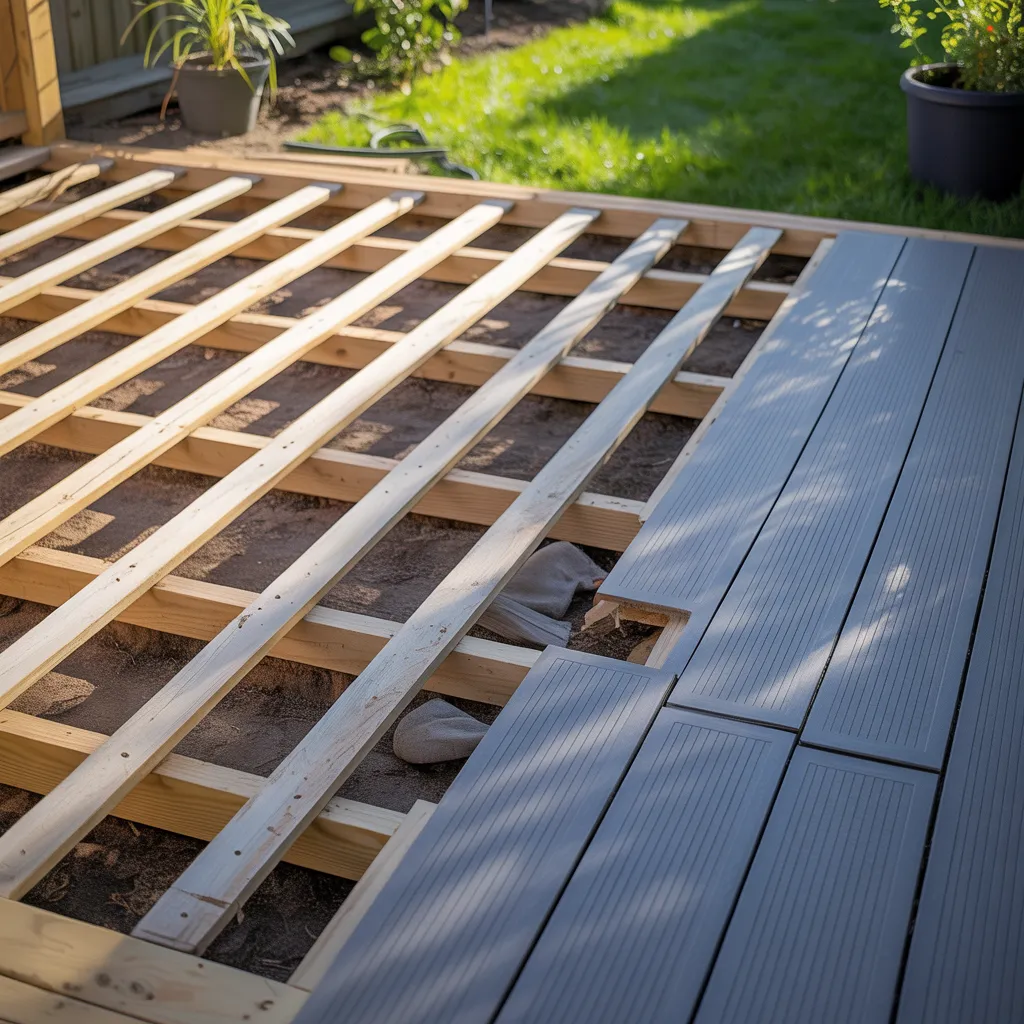
Subsequently, they will establish the essential foundation pieces, including posts and footings, which ensure structural stability. When the framework has been set up, the builders will add the joists and decking boards, guaranteeing proper spacing and alignment. Over the course of this process, property owners can expect regular updates and communication from the decking contractors, responding to any questions or concerns.
Safety remains a top priority, so contractors will comply with all applicable local codes and standards. Finally, once building is completed, a comprehensive inspection will confirm the deck meets all specifications, laying the groundwork for the final enhancements that will enhance the overall aesthetic.
Following Construction: Important Deck Care Tips
After the successful completion of deck construction, homeowners make maintaining its integrity and appearance a top priority. Consistent maintenance not only boosts the deck's visual appeal but also increases its longevity. Initially, homeowners should frequently clean the deck, eliminating debris and dirt to reduce the risk of mold growth. It is advisable to use a mild cleanser and a soft brush to prevent surface damage.
Deck sealing is essential, above all for timber-based decks. A high-quality sealant protects against moisture, UV rays, and weathering. Deck owners are advised to reapply sealant every one to three years, based on the surrounding environmental conditions.
Checking for damaged boards, protruding nails, or structural concerns should be done seasonally. Timely repairs can help avoid more significant damage. Moreover, strategic furniture positioning and the placement of protective mats can assist in limiting wear and tear. By implementing these care recommendations, homeowners can be confident their deck will continue to serve as a stunning and versatile outdoor retreat for years to come.

Common Questions and Answers
What Is the Average Timeframe for the Entire Deck Building Process?
The entire deck building process typically takes between one to several weeks, based on factors including design complexity, material availability, and weather conditions. Each project is unique, significantly impacting the overall duration of the project.
What Are the Most Popular Design Trends for Decks Today?
Currently, popular aesthetic directions for decks encompass layered deck configurations, built-in lighting, sustainable materials, and expansive layouts that blend indoor and outdoor living zones. Natural finishes and striking colors are also gaining traction with homeowners searching for contemporary design appeal.
Is It Possible to Add Features Like Lighting or Seating at a Later Time?
Absolutely, additional features like illumination or seating areas can be included at a future date. Experienced deck constructors often recommend preparing for upcoming additions during the primary construction phase to secure smooth incorporation and copyright the structural stability while adapting to changing design needs.
How Do Weather Conditions Affect the Construction Timeline?
Weather plays a significant role in affecting construction schedules. Rainfall, snowfall, or harsh temperature extremes can postpone material deliveries, obstruct worker output, and affect equipment reliability, ultimately extending the project's duration and requiring careful planning to mitigate these potential setbacks.
What Types of Warranties or Guarantees Do Deck Builders Usually Provide?
Deck construction companies commonly offer warranties that cover materials and workmanship, covering periods of one to ten years. Many builders may additionally provide lifetime warranties on select products, providing assurance of durability and satisfaction throughout the lifespan of the deck.